Boost Sales and Support with AI Chatbots
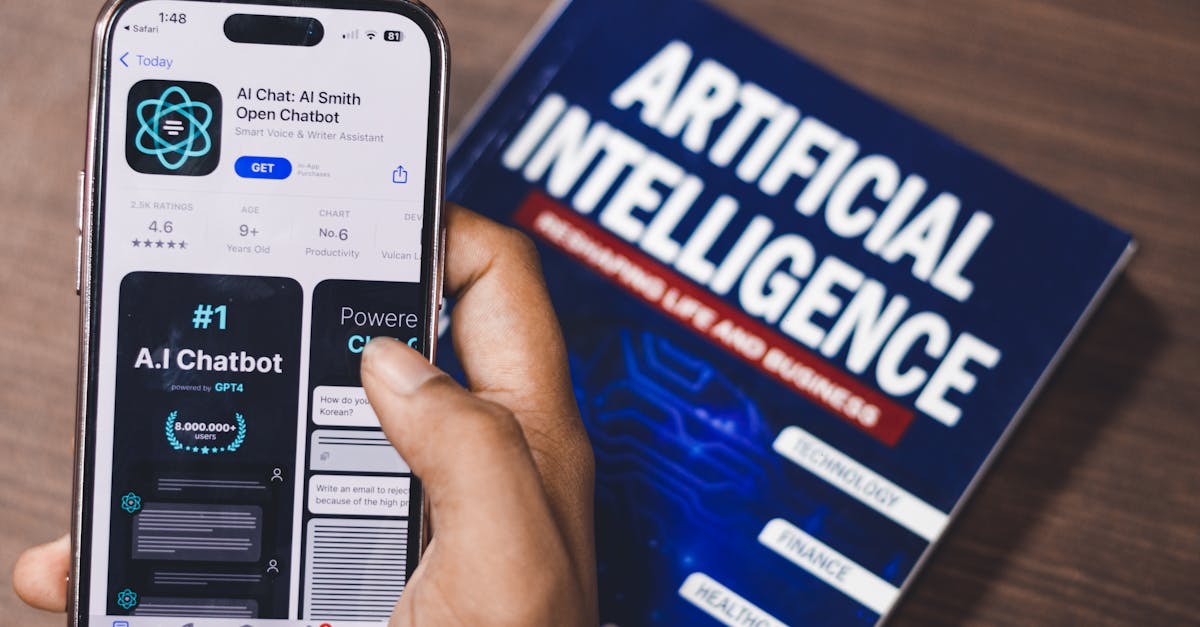
In today's fast-paced digital landscape, businesses face the daunting challenge of meeting ever-growing customer expectations while keeping operational costs in check. Customers demand instant answers and personalized interactions, which can strain traditional customer support teams and budget resources.
The Problem: Inefficient Customer Support and Sales Conversion
For many businesses, providing round-the-clock customer support is a significant hurdle. Traditional support setups often involve large teams working in shifts, which can be costly and inefficient. Delayed responses and lack of personalization can lead to customer dissatisfaction and lost sales opportunities.
Moreover, converting web visitors into leads or customers requires constant engagement, something that's hard to achieve with limited human resources. This is where AI chatbots come into play, offering a viable solution to these challenges.
AI Chatbots: The Solution
AI chatbots are software applications that use artificial intelligence to simulate human-like conversations. They can handle a variety of tasks, from answering frequently asked questions to guiding users through a sales funnel. Here's how they can revolutionize your business operations:
- 24/7 Availability: AI chatbots operate round-the-clock, ensuring that customer queries are addressed promptly, regardless of the time zone.
- Cost-Efficiency: By automating routine inquiries and tasks, chatbots reduce the need for large support teams, significantly lowering operational costs.
- Increased Sales Conversions: Chatbots can capture leads by engaging visitors in real-time, providing personalized recommendations, and guiding them towards a purchase.
- Scalability: As your business grows, chatbots can handle increased volumes of interactions without additional costs.
Real-World Examples
-
H&M: H&M's chatbot on the messaging platform Kik helps users navigate their extensive product catalog. The chatbot offers personalized style advice and helps drive sales by recommending products based on user preferences.
-
Sephora: Sephora's chatbot on Facebook Messenger assists customers by offering product suggestions, booking makeovers, and providing makeup tutorials. This enhances the customer experience while freeing up human agents to handle more complex inquiries.
How to Implement AI Chatbots
To successfully integrate AI chatbots into your business processes, follow these steps:
- Define Objectives: Determine what you want the chatbot to accomplish, whether it's improving customer support, increasing sales conversions, or gathering customer data.
- Choose the Right Platform: Select a chatbot platform that aligns with your business needs and existing technology infrastructure.
- Design the Conversation Flow: Outline how the chatbot will interact with users, including common queries and responses.
- Test and Optimize: Conduct thorough testing to ensure your chatbot works as intended, and continuously optimize based on user feedback.
- Monitor Performance: Use analytics to track the chatbot's performance, identifying areas for improvement.
Common Mistakes to Avoid
- Overcomplicating the Bot: Keep the chatbot's functionality focused and user-friendly to avoid confusing customers.
- Neglecting Human Oversight: Ensure there's a seamless handover to human agents for complex queries that the bot cannot handle.
- Ignoring Analytics: Failing to monitor the chatbot's performance can lead to missed opportunities for improvement.
Actionable Checklist
- [ ] Define clear objectives for your AI chatbot.
- [ ] Select a chatbot platform that suits your business.
- [ ] Design a simple and effective conversation flow.
- [ ] Conduct extensive testing before launch.
- [ ] Continuously monitor and optimize bot performance.
FAQ
What are AI chatbots? AI chatbots are software applications that use artificial intelligence to engage in human-like conversations, offering automated customer support and enhancing sales processes.
How can AI chatbots benefit a business? AI chatbots provide 24/7 customer support, automate routine tasks, reduce operational costs, and increase sales conversions by engaging visitors in real-time.
Do AI chatbots require programming skills to implement? While some chatbot platforms are user-friendly and require no coding skills, others might offer advanced features that require some technical expertise.
Can chatbots fully replace human customer service? AI chatbots can handle many routine queries, but complex issues often require human intervention to ensure customer satisfaction.
Tools that help solve this
Hand-picked products that tackle the problem covered above.
Intercom
Connect with customers better through AI-powered support.
Intercom provides a comprehensive platform for sales and customer support automation, leveraging AI to deliver personalized experiences.
Visit site ↗Drift
Accelerate your revenue with conversational marketing.
Drift uses AI to engage website visitors and convert them into leads, enhancing both sales outreach and customer support.
Visit site ↗ManyChat
Engage your audience with powerful chatbot automation.
ManyChat offers an easy-to-use platform for creating AI chatbots that can automate sales and support on various messaging platforms.
Visit site ↗Ada
Automated customer experience that scales with you.
Ada specializes in AI-driven customer support solutions that help businesses manage high volumes of inquiries efficiently.
Visit site ↗Want this for your business?
We build AI automation, apps and websites that get results. Let's talk.
Related reads
Maximize Your Sales Funnel with Automated Lead Generation
Automated lead generation systems streamline the sales process, helping businesses efficiently nurture prospects and maximize conversions.
ReadRevolutionizing Content Creation with AI at Scale
Explore AI-powered content creation at scale. Learn to increase efficiency and maintain quality with practical tools, actionable steps, and common pitfalls.
ReadTransform Your Business with Social Media Automation
Discover how social media automation can streamline business operations, saving time and enhancing reach. Dive into practical tools and strategies.
Read